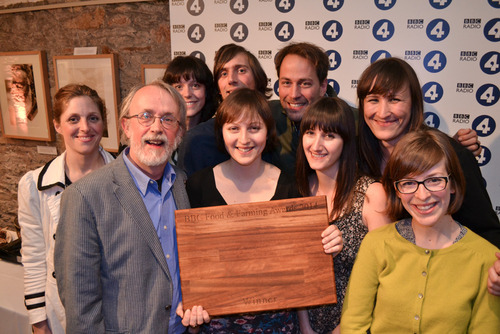
Our three campaigns: Feeding the 5000, The Pig Idea and Gleaning Network UK are honoured to have been selected as winners of the BBC Radio 4 Food and Farming Award for Best Initiative in British Food. You can listen to the entire awards show here. Feeding the 5000 is on at 37 minutes.
We would like to extend a tremendous thank you to our thousands of volunteers whom without it would not have been possible.
Our three campaigns are truly humbled as other nominees included the fantastic Community Shop, a social supermarket offering surplus food, advice and training to people on benefits at very low cost. Community Shop uniquely combines environmental, social and business objectives to tackle food waste, food poverty and getting people out of the poverty trap.
Sainsbury was also nominated for their important leadership and work in sustainable fish sourcing.
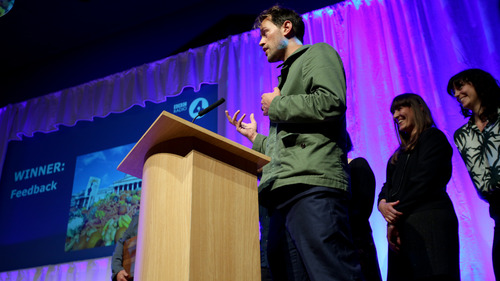
Since their beginnings, Feeding the 5000, The Pig Idea and Gleaning Network UK have been working hard to tackle the global food waste scandal. As founder, Tristram Stuart pointed out during the awards ceremony last week, “Feeding the 5000 is being adopted as a way of launching national food waste campaigns in lots of different countries. It has become a global movement and given everyone the realization that we have the power to change the food system.”
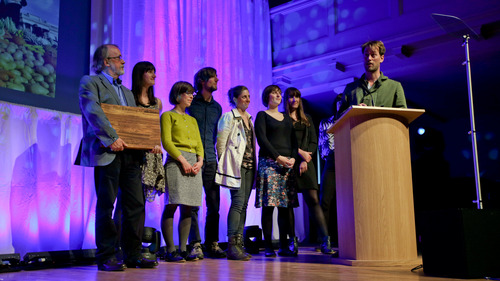
Thanks again to all those who have supported us. We look forward to continuing our work toward putting a stop to global food waste.
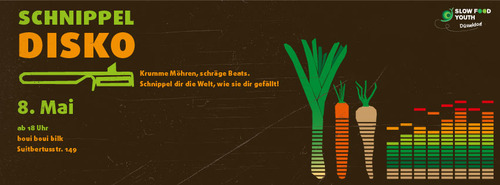
We are please to announce we will be collaborating tonight with local food waste activists at Slow Food Youth Network Dusseldorf, Foodsharing and Taste of Heimat on the Schnippeldisko at 6:00 PM. There will be chopping, as well as sharing and eating the delicious food that would otherwise have gone to waste, all to the BEET of party music. To find out more visit the Facebook link here.
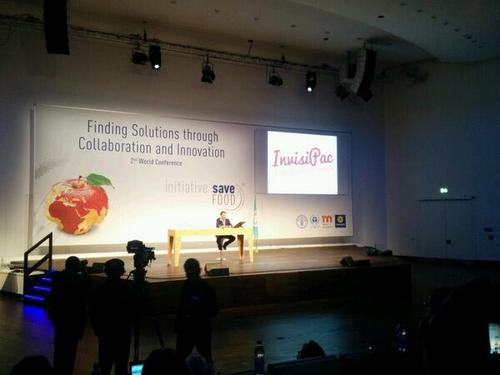
Feeding the 5000 is also delighted to be a part of the Food and Agriculture Organisation’s two-day SAVE FOOD Congress, which kicked off on 7 May in Dusseldorf. Together with stakeholders from across the sector, including our partners at Wilshire Grand LA, the congress is showcasing solutions to combat global food waste.
In the photo above, Tristram Stuart discusses food waste on farms, feeding pigs and solutions that go beyond packaging. For lunch, we served up a delicious meal for all participants and visitors of the congress made from fresh, top-quality food that would otherwise have gone to waste. The lunch was even broadcast on German television. Watch Managing Director Niki Charalampopoulou on ARD1 here.
The Congress is proving a great opportunity to showcase the delicious solutions to food waste to a wide range of high profile delegates and decision makers. Find out more here.
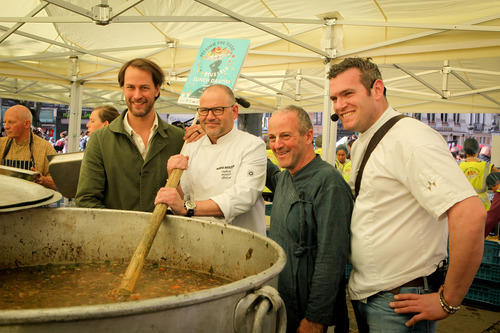
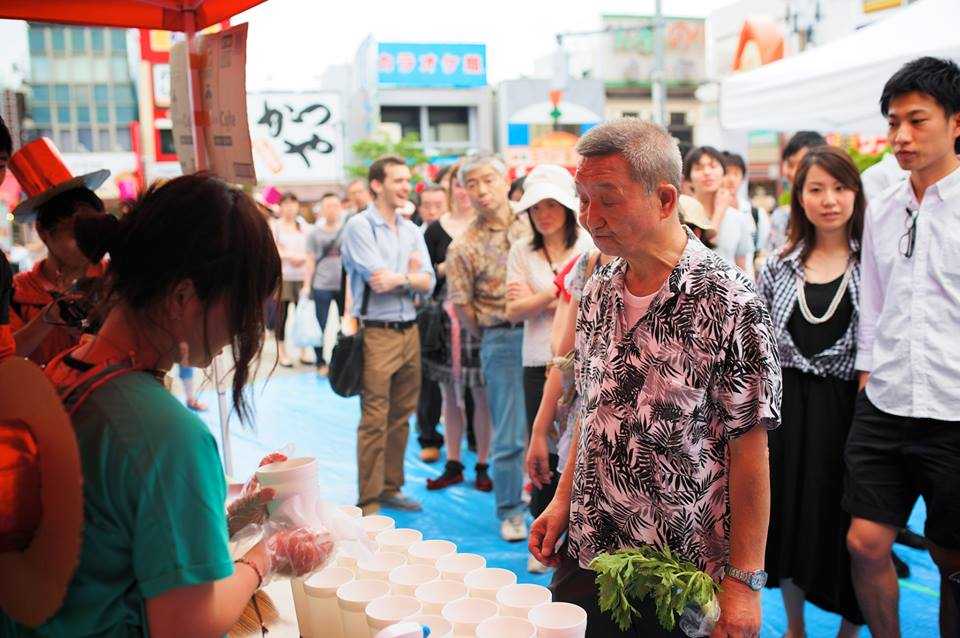
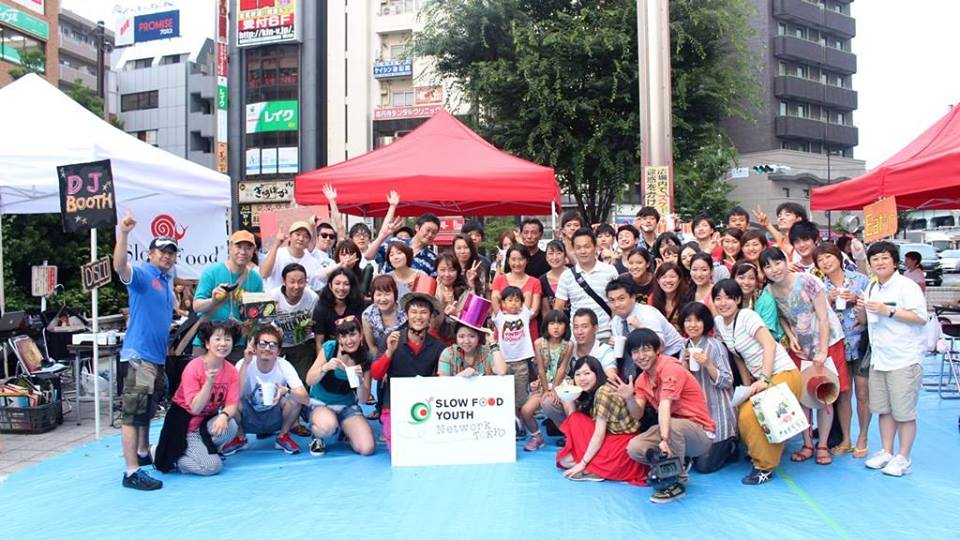
On 1.4.14 Feeding the 5000 held a hugely successful event in Brussels at the Marché Aux Herbes near the Grand Place. Together with our partners we served up over 6,000 delicious lunches all made from ingredients that otherwise would have gone to waste to highlight the positive solutions to the global food waste scandal.
Here’s a look at the day in photos by Julie Feyaerts.
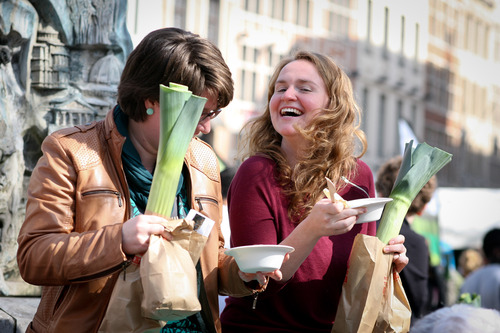
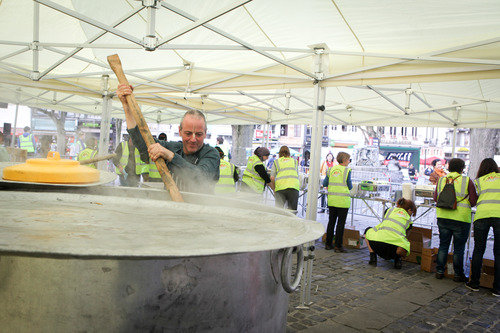

You can view more photos on our Facebook page.
Following the event on 2.4.14, Feeding the 5000 attended the European Parliament’s Sustainable Food Conference to discuss the Commission’s imminent food policy and what needs to be done to tackle the global food waste scandal.
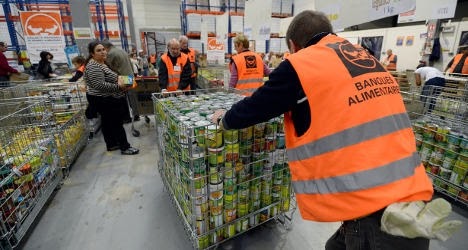
A heartfelt thank you for a great event to all our partners at: 11.11.11, The Belgian Federation of Food Banks, The Center for Research and Information for the Consumer Organisations (CRIOC), Disco Soupe, EU FUSIONS, Eurotoques, Green up Film Festival, Komosie,Velt, Oxfam, Slow Food, Slow Food Youth Network, and Social Groceries Flanders.


I pledge to reduce my food waste and want businesses to do the same